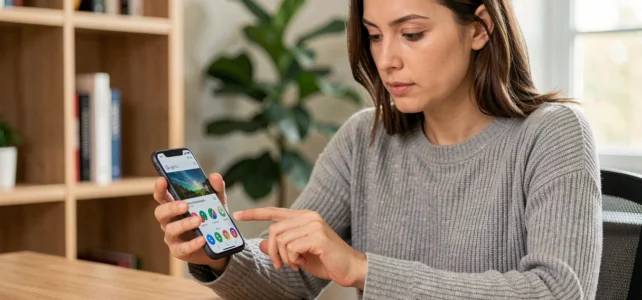
Associating an Android device with a Google Play Store account relies on a seemingly simple mechanism, but several technical parameters influence the outcome. The type of device, the status of Play Protect certification, the presence or absence of the Play Store in the list of active applications, and the number of accounts already linked alter the procedure. This article compares common scenarios and details the actual bottlenecks.
Play Protect Certification and Play Store Status: Two Prerequisites to Check Before Any Association
Before adding a Google account on a device, two checks condition the next steps. The first concerns the Play Protect certification of the device. An uncertified phone may prevent access to the Play Store or block the downloading of applications, even if a Google account is correctly configured.
To check this status, open the Google Play Store app, tap on the profile icon in the top right corner, then go to Settings and tap on About. The certification mention appears in this section.
The second check concerns the status of the Play Store itself. On some refurbished, misconfigured, or enterprise-managed devices, the Play Store is present but disabled. The procedure then differs from a standard installation: you need to go through Settings, then Apps, locate Google Play Store in the list, and tap on Enable. A device restart is necessary after this action.
| Situation | Symptom | Required Action |
|---|---|---|
| Play Store absent | No Play Store icon on the screen or in the apps | Install the Play Store via an official APK file or check device compatibility |
| Play Store disabled | The icon does not appear but the app is listed in Settings > Apps | Enable the app and then restart |
| Device not Play Protect certified | Error messages during downloads, missing applications | Check certification in Play Store > Settings > About |
| Play Store active and certified | Normal operation | Add the Google account directly |
A detailed guide explains how to associate your Google account with Play Store covering each of these scenarios.
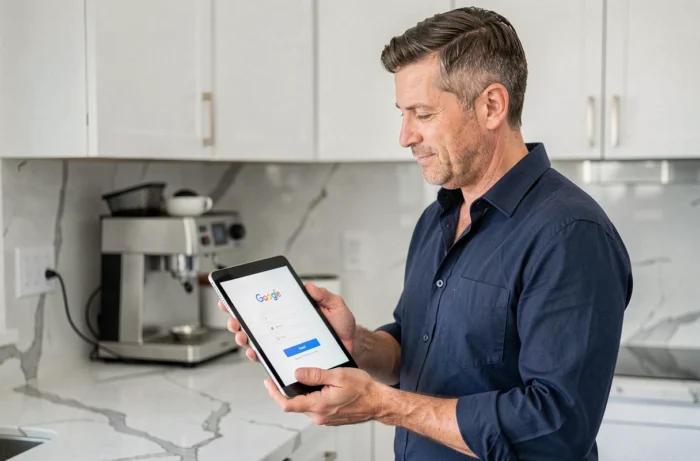
Adding a Google Account on Android: Settings and Order of Steps
Adding an account goes through the system settings of the device, not through the Play Store. Open Settings, then Accounts (or Users & accounts depending on the Android version), and tap on Add account, then Google.
The device will then ask for the email address associated with the Google account. A Gmail address is not mandatory: an external email address (Outlook, Yahoo, or any other provider) works as long as it is linked to an active Google account.
- Enter the email address of the Google account, then the associated password
- Accept the terms of service and the proposed sync settings
- Then open the Play Store: the app automatically detects the added account
- If multiple accounts are present, tap on the profile icon in the Play Store to select the one to use
The order matters: the account must be added in the system settings before opening the Play Store. Attempting to log in directly from the Play Store without going through the settings can sometimes cause sync errors.
Managing Multiple Google Accounts on the Same Android Device
Using multiple accounts on the same device is documented by Google and addresses a common need: separating a personal account from a work account, or sharing a device among household members.
Each account added in Settings > Accounts becomes accessible in the Play Store. To switch, open the Play Store, tap on the profile icon, and select the desired account. Purchases and subscriptions remain linked to the account that made them, not to the device. A purchase made with account A will not be visible from account B on the same phone.
This setup has a direct consequence on automatic updates. The Play Store updates the applications installed by the active account. If an application was installed via account A and account B is active, the update may not appear until you switch back to account A.
Removing an Account Without Losing Local Data
Removing a Google account from a device does not delete the applications already installed, but cuts access to purchases and cloud data linked to that account. Locally downloaded files (photos, documents) remain on the device. To remove an account, go to Settings > Accounts, select the relevant Google account, and tap on Remove.
Controlling Associated Devices from the Google Account
Managing linked devices is not done solely from the phone. From a browser, go to the My Google Account page, then to the Security section. The Your Devices section lists all devices connected to the account.
This view allows you to spot an old device still associated (a sold or lost phone, for example) and revoke access remotely. The removed device immediately loses synchronization with the account, including access to the Play Store, Gmail, and other Google services.
- Go to myaccount.google.com from a browser
- Open the Security section, then Your Devices
- Identify the device to unlink and click on Sign out
This account-side control complements device-side management and helps maintain a clear view of the terminals accessing your data.
Resolving the Message “This Google Account is Not Yet Associated with a Device”
This message primarily appears when a Google account has just been created and no Android device has yet been linked to it. The web Play Store displays this error if you try to install an application remotely before opening the Play Store from a phone or tablet connected to the account.
The solution is straightforward: open the Play Store on an Android device where the account is added, perform a search or download an application. This first interaction registers the device on the server side. The propagation delay can take a few minutes before the device appears in the list of associated terminals on the web Play Store.
Clearing the cache of the Play Store (Settings > Apps > Google Play Store > Storage > Clear Cache) sometimes speeds up the resolution if the problem persists after the first use.