The autumn-winter 2026-2027 season marks a shift in how fashion trends circulate. The runways offer multiple, sometimes contradictory directions, and French regulations are beginning to change what brands can communicate about their products. With regulated environmental displays, the rise of second-hand fashion, and silhouettes that oscillate between loose volumes and fitted cuts, the season’s wardrobe is shaped as much by consumption choices as by aesthetic codes.
Environmental display and textile traceability: what changes concretely this season
Since October 1, 2026, any brand that communicates an environmental score on a garment must also present the official environmental cost according to applicable rules. A third party can now calculate and publish this cost based on available or estimated data. The display remains voluntary, but the rules governing it have tightened.
For textile products sold online, the places of manufacture must be indicated near the price. This obligation pertains to online presentation and does not depend on the environmental display. Before splurging on a trendy piece, this information becomes a reading criterion just like the cut or material.
These developments transform the notion of unique style. Adopting a fashion trend this season is no longer just about choosing a color or silhouette; it’s also about knowing how to read what accompanies the product. Fashion sections, like those available on heramagazine.net, are starting to integrate these parameters into their analyses.
Autumn-winter 2026-2027 trends: silhouettes and volumes to remember
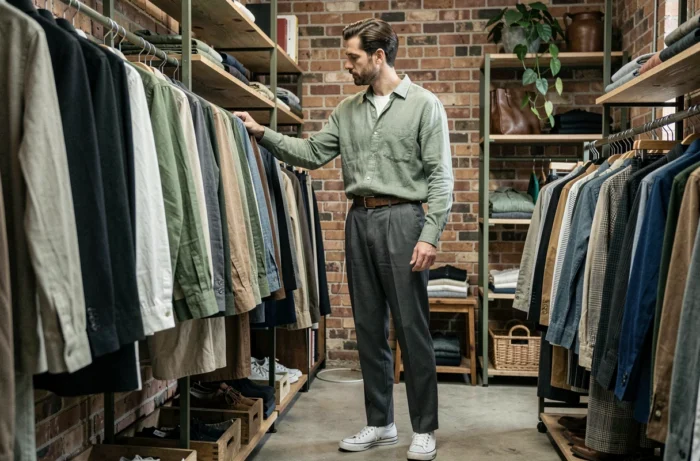
The autumn-winter 2026-2027 runways showcased quite readable visual directions. Volumes remain generous on the upper body, with oversized coats and twisted sweaters making a strong comeback. The lower half leans towards more structured cuts, particularly with jeans maintaining their central place in the women’s wardrobe.
The return of heavy textures and layering
Thick materials dominate: twisted knits, dense wools, soft leathers. Layering becomes a stylistic gesture in its own right. A sweater worn over a shirt, under a pea coat or leather jacket, creates silhouettes that gain depth without resorting to spectacular pieces.
Layering replaces accessories as a marker of personal style. Rather than adding a bag or jewelry to individualize a look, it’s the arrangement of layers that distinguishes one outfit from another.
Seasonal colors: beyond black and camel
Black remains a safe bet, but the palette expands to include brighter shades. The runways have proposed color combinations that contrast with the usual neutral tones of autumn. Floral prints, sometimes expected in spring, appear on winter pieces, playing on seasonal dissonance.
- Saturated tones (deep red, electric blue, forest green) are worn as total looks or as unique touches on a sober ensemble
- Tartan and check patterns persist, worn in oversized versions on coats or scarves
- Pastel colors, unusual in winter, sneak into knits and accessories to break the monotony of dark tones
Second-hand and fashion trends: creating a unique style without buying new
A thrift guide dedicated to autumn-winter 2026-2027 notes that several trendy pieces can already be found vintage: twisted sweaters, oversized coats, leather jackets, pea coats, and tartan pieces. Second-hand is no longer a parallel circuit; it becomes a direct source for following the season’s trends.
This convergence between vintage and trend alters the construction of a personal style. Looking for a pea coat in a thrift store rather than a boutique does not yield the same result: cuts vary, materials have aged, finishes differ. Second-hand clothing carries a uniqueness that standardized new items cannot reproduce.
For autumn-winter looks, this approach works particularly well. Cold season pieces (wool, leather, thick denim) age better than lightweight textiles. A vintage leather jacket acquires a patina that industrial treatments attempt to imitate but fail to achieve.
Adopting a fashion trend without losing your style: concrete trade-offs
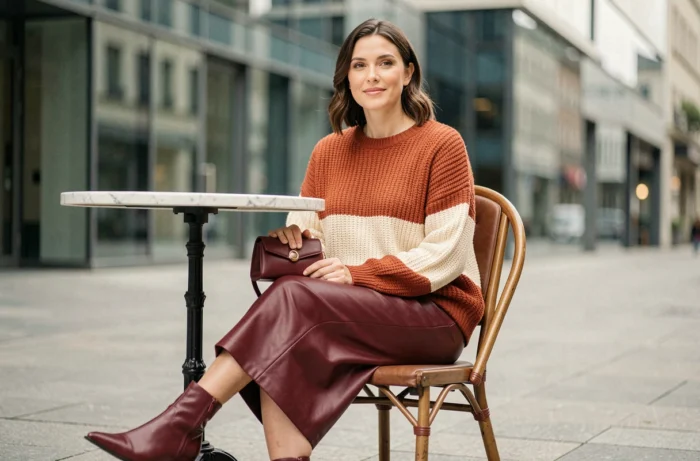
The profusion of stylistic directions this season poses a practical problem. Adopting everything means asserting no choice. Unique style is built through subtraction as much as addition.
- Limit trendy pieces to two or three per outfit, with the rest of the look grounded in already proven personal basics
- Favor trends that correspond to one’s morphology and lifestyle rather than those that generate the most content on social media
- Check traceability and place of manufacture before online purchase, as this information is now mandatory near the price
- Test a trend in second-hand before investing in new, to assess whether the piece truly integrates into one’s wardrobe
The question is not what the women’s trends for autumn-winter 2026-2027 are. Runways, magazines, and social media continuously answer that. The more useful question is which ones deserve a lasting place in a wardrobe, beyond the current season.
The French regulatory framework, by making places of manufacture visible and regulating environmental scores, adds an additional layer of scrutiny. A unique style this season is also defined by the ability to make informed choices, not just aesthetic ones.