Preparing for the arrival of a baby first involves distinguishing between what pertains to safety and what pertains to comfort. A newborn needs a safe sleeping space, a few clothes suitable for their size, a functional feeding method, and an approved car seat for the trip home from the maternity ward. The rest, including what marketing presents as essential, can wait for the first few weeks.
Infant Sleeping: Safety Before Decoration
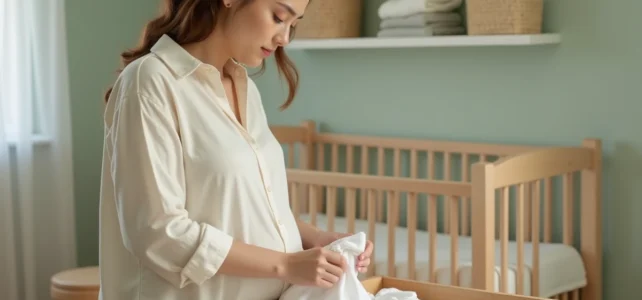
The baby’s room often generates the most impulsive purchases. The starting point should be the crib and its mattress, not the color of the walls. A firm mattress that fits the crib perfectly is the foundation of safe sleeping. There should be no gaps between the mattress and the sides.
The sleeping space should remain empty: no pillow, no duvet, no bumper, no stuffed animal. These items, often found in decoration catalogs, pose a real risk to the infant. A sleeping bag suitable for the season replaces the duvet safely.
The crib remains the standard. A bassinet can be used for the first few months, but its duration of use is short. For parents who are undecided between the two, the crib avoids an additional purchase a few months later. The baby registry options available on https://www.babybloom.fr/ allow for comparison of sleeping options and guidance on choices based on available space.
The room temperature deserves as much attention as the furniture. A room maintained between 18 and 20 °C limits the risk of overheating. A simple room thermometer is sufficient, no need for a connected device.
Baby Car Seat: The Only Equipment to Buy New
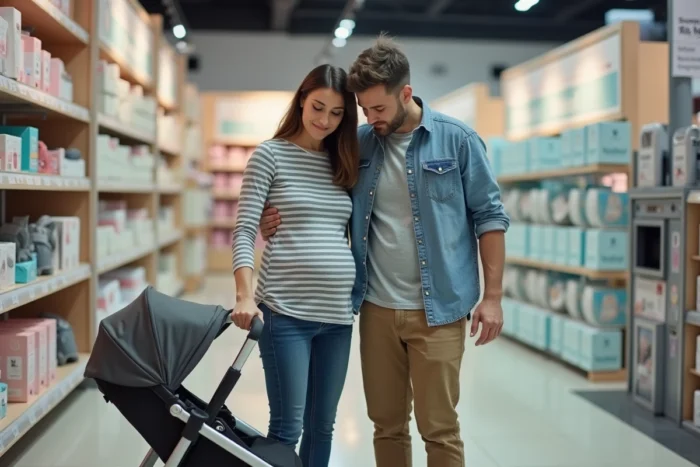
For the stroller, the bouncer, or the crib, buying second-hand is a reasonable option. For the car seat, the recommendation is different. A car seat must be purchased new and approved, because a previous impact, even minor, can compromise the internal structure without visible signs.
A second-hand seat with an unknown history no longer guarantees the protection for which it was designed. This is one of the few items where saving money is not justified. Check for the presence of the European approval label before purchasing.
The seat must be installed and tested in the vehicle before the expected delivery date. Some models do not fit well in certain cars, and discovering this issue on the day of discharge from the maternity ward complicates an already busy time.
Clothing and Layette: Realistic Quantities
Layette lists circulate with very variable quantities. The reality of the first weeks boils down to a few functional categories:
- Cross-over bodysuits (which open at the front), easier to put on than a classic bodysuit for a newborn who cannot hold their head
- Cotton pajamas, in newborn size and 1-month size, as growth in the first weeks is unpredictable
- Light or padded sleeping bags depending on the season of birth
- Hats and socks, even in summer, as newborns poorly regulate their temperature
Planning for about ten bodysuits and as many pajamas covers needs considering frequent changes and washing time. Buying beyond this risks accumulating clothes that are never worn.
Regarding sizes: a standard weight baby wears newborn size for only a few days. It is better to have more 1-month size than newborn size.
Newborn Feeding: Equipment Based on Chosen Method
The equipment entirely depends on the choice between breastfeeding and bottle-feeding, a choice that can also evolve after birth.
For breastfeeding, the bare minimum consists of nursing pads and a suitable bra. A breast pump is not always necessary from the start. It can be prescribed and covered if the need arises. There is no need to invest in a breast pump before birth unless medically required.
For bottle-feeding, you should plan for a set of bottles (four to six are sufficient), a cleaning brush, and first-stage infant formula. Systematic sterilization is no longer recommended by all health authorities, but thorough cleaning with hot water and the appropriate product remains the norm.

Maternity Bag: What Really Helps in the Delivery Room
The maternity bag is ideally prepared around the eighth month. It consists of two distinct parts: items for the hospital stay and those for the return home.
For the parent giving birth, basic toiletries, comfortable clothing, and postpartum pads form the foundation. For the baby, bodysuits, pajamas, a hat, a blanket, and the first pack of diapers complete the bag.
- A misting spray and snacks for the labor room, often forgotten
- Loose clothing with front openings if breastfeeding is planned
- The maternity record and administrative documents (ID, health insurance card, family record book)
Administrative documents are as important as the layette. Forgetting the maternity record delays formalities and adds unnecessary stress.
Preparing Parents, Not Just the Room
Birth preparation guides focus on equipment. However, the first weeks with a newborn require more adult organization than baby equipment.
Preparing meals to freeze before giving birth saves considerable time when nights are fragmented. It is an investment of a few hours that avoids weeks of improvised meals.
The support from family or friends should also be planned. Knowing who can help with errands, meals, or a few hours of babysitting allows for a smoother start in the first days without feeling overwhelmed. The organization of parents’ daily life conditions the serenity of the first weeks as much as the contents of the baby registry.
The last point rarely addressed concerns postpartum comfort. A nursing pillow, a stable chair in the room, and clothes suitable for physical recovery are not included on standard lists but make a tangible difference in daily life.