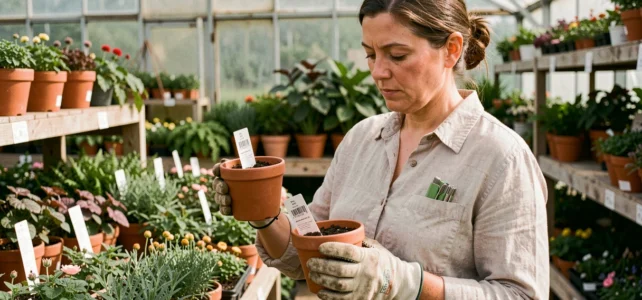
We’ve all experienced the same scene: arriving at a garden center with a short list and leaving with a bill twice as high as expected. Between potting soil, tomato plants, a few perennials, and a bag of fertilizer, the garden budget can rise quickly. The good news is that you can reduce the bill without sacrificing quality, as long as you know where to look and when to buy.
Multi-department stores vs. specialized garden centers: the real price gap
When comparing a bag of universal potting soil or a set of geranium pots, specialized garden centers like Truffaut or Jardiland are not always the best option. Multi-department stores (Auchan, Castorama, Amazon) regularly come out as some of the cheapest for home and garden products, according to a study reported by Ouest-France.
The explanation lies in the model: a large store spreads its margins over thousands of references, while a specialized garden center finances in-store advice, heated greenhouses, and a more refined selection. For potting soil, pots, or common tools, generalist stores are often cheaper.
On the other hand, for specific plant varieties, grafted fruit trees, or advice on calcareous soil, the specialized garden center maintains a technical advantage. The trick is to split your shopping list: bulk and basics at the large store, specific plants at the specialist. To know exactly where to buy cheaper at a garden center, a comparison of stores allows for further refinement of the gaps in each product category.
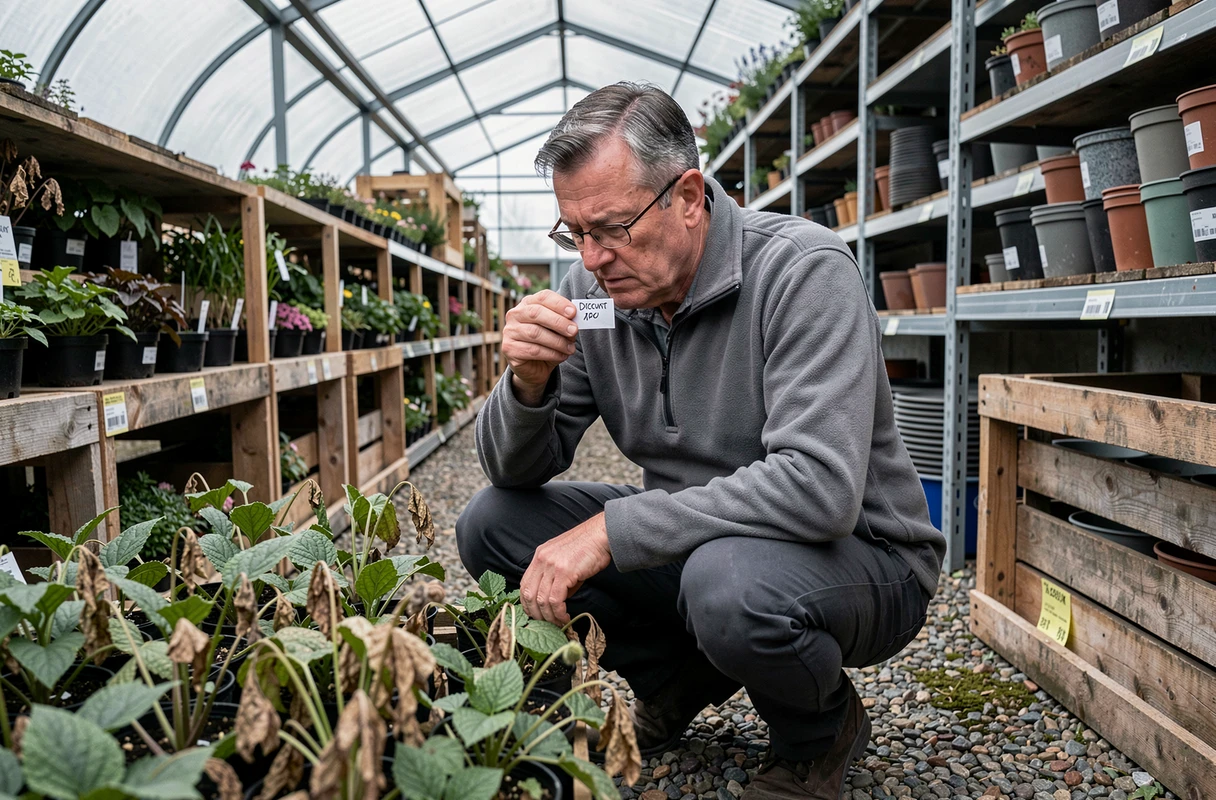
Event sales and direct from producer: circuits that cut prices
Traditional competitors are no longer the only players in the field. A new generation of actors is selling plants at cut prices by eliminating intermediaries or organizing pop-up sales.
Plantes pour Tous positions itself as an urban garden center at low prices, with pop-up sales in several major cities. Négoplantes claims to offer outdoor plants up to 40% cheaper than traditional circuits. More recently, Florprice, launched by the Colibri group (leader in plant e-commerce in France), offers prices 50 to 80% lower than those of Jardiland or Truffaut on certain references.
The compromise to be aware of: these platforms often offer a reduced selection, smaller sizes, and rely on local production to limit logistics costs. You won’t necessarily find a two-meter olive tree or a rare variety of clematis. For a balcony to fill or a vegetable garden to start with classic plants, the quality-price ratio of these short circuits is hard to beat.
Local nurseries and proximity networks
Independent nurseries and networks like Passion Jardins remain an underutilized angle. You can find plants grown locally, already acclimatized to the soil and climate of the region. The displayed price may seem comparable to that of a national garden center, but the survival rate is better because the plants haven’t undergone long-distance transport or spent time in a climate-controlled warehouse.
A plant that dies within a month is money lost. Buying local reduces this risk and the actual cost over the season.
Second-hand and swapping: the underestimated savings opportunity
The “second-hand” reflex also works for the garden. On Leboncoin, used planters, garden furniture, and containers are negotiated at a fraction of the new price. For a woven resin planter or a large stone planter, the difference easily reaches half the store price.
Beyond furniture and containers, plant fairs and plant swaps are multiplying. France Bleu lists these local events where you can exchange cuttings, seeds, and surplus plants. It’s free or almost free, and you often leave with varieties that are hard to find in garden centers.
- Leboncoin and marketplaces for second-hand tools, pots, and garden furniture
- Plant swaps organized by local associations or municipalities, often in spring and autumn
- Neighborhood groups (social networks, local Reddit forums) where people share seedlings, harvest surpluses, and divisions of perennials
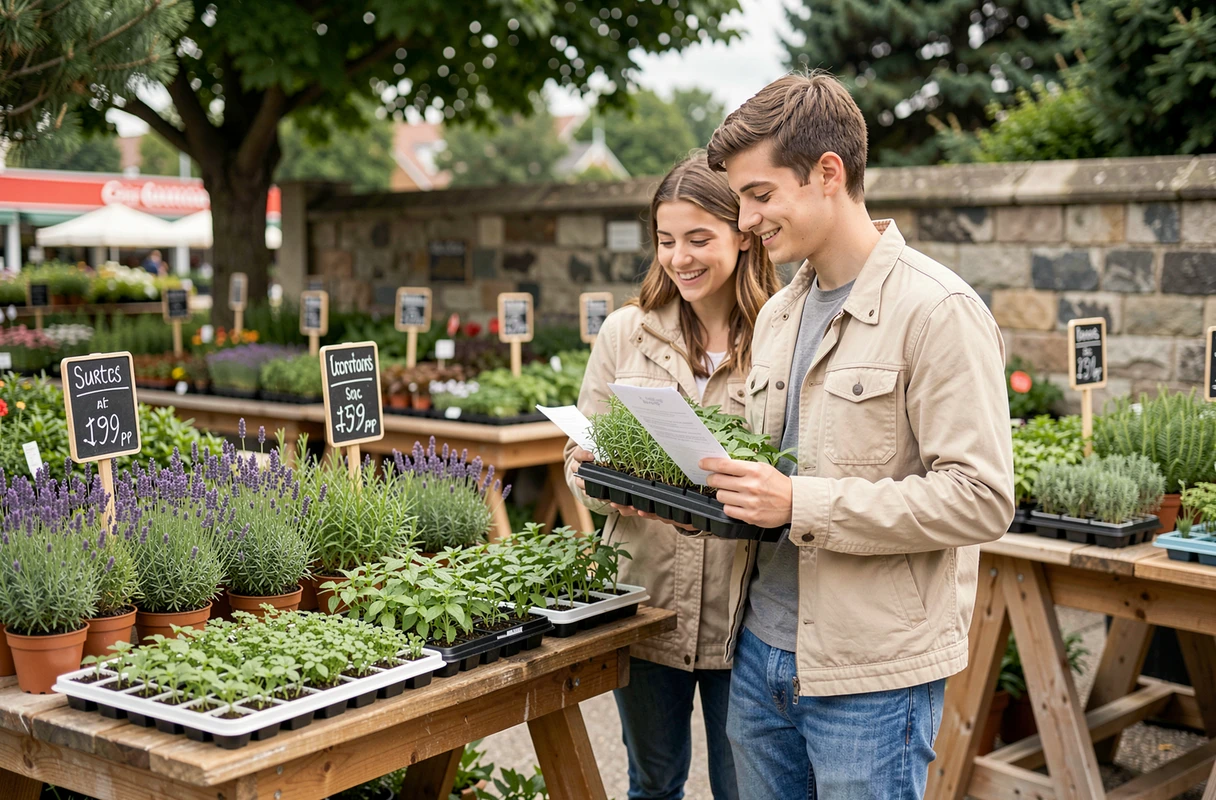
Buying calendar and concrete levers to reduce the annual bill
The price of the same product varies greatly depending on the time of year. Garden centers apply significant markdowns at the end of the season: bedding plants drop in July, container shrubs decrease in autumn, and watering equipment is discounted in September.
Buying off-season is the simplest and most profitable lever. A bare-root rose bought in November costs much less than the same potted rose in spring, and the survival rate is often better.
Producing your own plants
It’s sometimes forgotten, but a packet of seeds replaces dozens of pots. For the vegetable garden, sowing your own tomatoes, zucchinis, or salads can significantly reduce the plant budget. Seed starting mix and a few reused pots are all you need.
- Saving seeds from your own harvests (tomatoes, peppers, squash) for the following season
- Taking cuttings of herbs (rosemary, lavender, sage) and softwood shrubs in summer
- Dividing perennials every three to four years to multiply plants without spending anything
- Composting your green waste to produce your own amendment and reduce potting soil purchases
These actions take a bit of time, but they transform a garden budget into a renewable investment year after year.
In the end, real savings do not come from a single miracle store. They come from a mix: large stores for consumables, short circuits for plants, second-hand for tools, and a bit of patience to buy at the right time rather than when the urge strikes. The cheapest garden is the one that is planned before stepping through the store door.